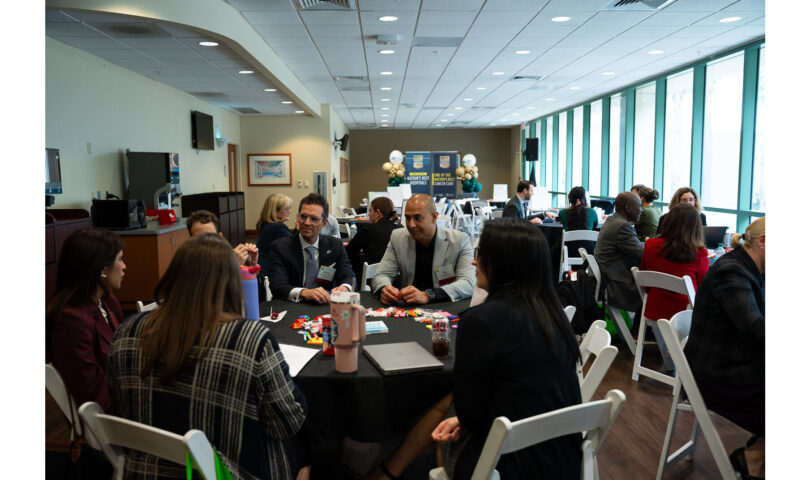
Tampa General Hospital Cancer Institute recently organized an event at TGH Brooksville to discuss the challenges faced by cancer patients in rural communities. The event, titled “Addressing the Cancer Control Continuum in Rural Communities,” brought together healthcare experts, researchers, and cancer survivors to address these unique challenges. Speakers included John D. Couris, president and CEO of Tampa General Hospital, and Eduardo Sotomayor, M.D., vice president and executive director of the Cancer Institute at Tampa General Hospital. The event aimed to break down geographical barriers and provide all cancer patients with access to innovative treatments and high-quality care. Tampa General Hospital and USF Health are dedicated to improving access to comprehensive cancer services for rural patients in Florida. The conference highlighted the commitment of the TGH Cancer Institute to increasing access to top-notch care for all patients. Ensuring High-Quality Cancer Care for All Floridians
Dr. Sotomayor emphasizes the importance of providing top-notch care to all Floridians diagnosed with cancer, regardless of their location. The key to improving survival rates lies in utilizing the latest research, cutting-edge technologies, and top-tier healthcare providers. While advancements in cancer treatment offer hope for patients, prevention remains the most effective strategy. Early detection is crucial in developing successful treatment plans, underscoring the necessity of raising awareness and promoting screening efforts across communities.
The recent discussions on cancer prevention, treatment, and survivorship shed light on the latest data from clinical trials. Researchers highlighted the significance of ensuring that rural populations have access to these vital findings. Dr. Peter Chang, a senior executive at Tampa General Hospital, delved into the role of artificial intelligence (AI) and teleoncology in enhancing cancer care in underserved areas.
The conference culminated in breakout sessions dedicated to addressing the challenges discussed earlier. Facilitators led conversations on various topics, including access to care, survivorship, delivery models, cancer prevention, and regional collaborations.
About Tampa General Hospital
Tampa General Hospital stands as a beacon of exceptional healthcare, boasting a 981-bed, not-for-profit academic health system. Recognized as the region’s sole Level I trauma center and comprehensive burn care facility, Tampa General Hospital consistently delivers world-class care. The hospital’s commitment to excellence is underscored by its rankings in U.S. News & World Report, with multiple medical specialties ranking among the top programs in the nation.
Tampa General Hospital’s dedication to its staff is evident in its recognition by Forbes magazine, underscoring its status as a top employer. The hospital’s community-centric approach ensures that everyone, regardless of their financial circumstances, receives the care they need. Tampa General Hospital’s extensive network includes various facilities and outpatient locations, providing top-notch care to residents across Tampa Bay.
About USF Health
USF Health is a collaborative effort encompassing multiple colleges and programs dedicated to envisioning and implementing the future of healthcare. Through its commitment to research, education, and community engagement, USF Health plays a pivotal role in solving global health challenges and improving lives. The University of South Florida’s impact transcends its campus, generating a significant economic influence and driving innovation in healthcare.
In conclusion, the imperative of ensuring high-quality cancer care for all Floridians cannot be overstated. By leveraging innovative technologies, fostering collaborations, and prioritizing prevention and early detection, we can significantly enhance survival rates and improve patient outcomes. It is crucial to continue advocating for better access to care, promoting awareness, and fostering partnerships to address the challenges in cancer care. Together, we can strive towards a future where all Floridians receive the best possible care and the greatest chance of survival. The following content will be revised: