
I have a passion for food. Eating is one of my favorite activities, especially while traveling.
Food plays a crucial role in various cultures, and missing out on local meals means missing out on a significant part of the travel experience.
It’s disappointing to see travelers who cook all their meals in hostel kitchens or rely on grocery stores for food. While grocery stores and markets offer insights into a place, eating out allows for a more authentic experience.
While dining out can be expensive, it’s essential to make your money last, especially when traveling long-term or on a budget. Additionally, dietary restrictions and preferences like vegan or vegetarian choices can impact food options.
To enjoy eating out without overspending, I’ve learned to balance dining out while saving money. Here are some tips on how to eat out on a budget while traveling:
1. Follow the Five Block Rule
I abide by The Five Block Rule, which means not eating within five blocks of major tourist attractions. By venturing beyond touristy areas, you can find better and more affordable dining options. Explore small, local eateries for a memorable experience.
2. Use Local Knowledge
Utilize apps where locals share reviews or seek recommendations from locals, hostel/hotel staff, or taxi drivers for authentic dining experiences. Apps like Yelp, The Fork, and Happy Cow are helpful for finding vegan and vegetarian options.
3. Ask The Right Question
When asking locals for dining recommendations, inquire about where they eat, not where you should eat. This way, you’ll discover hidden gems favored by locals rather than popular tourist spots.
4. Eat Street Food
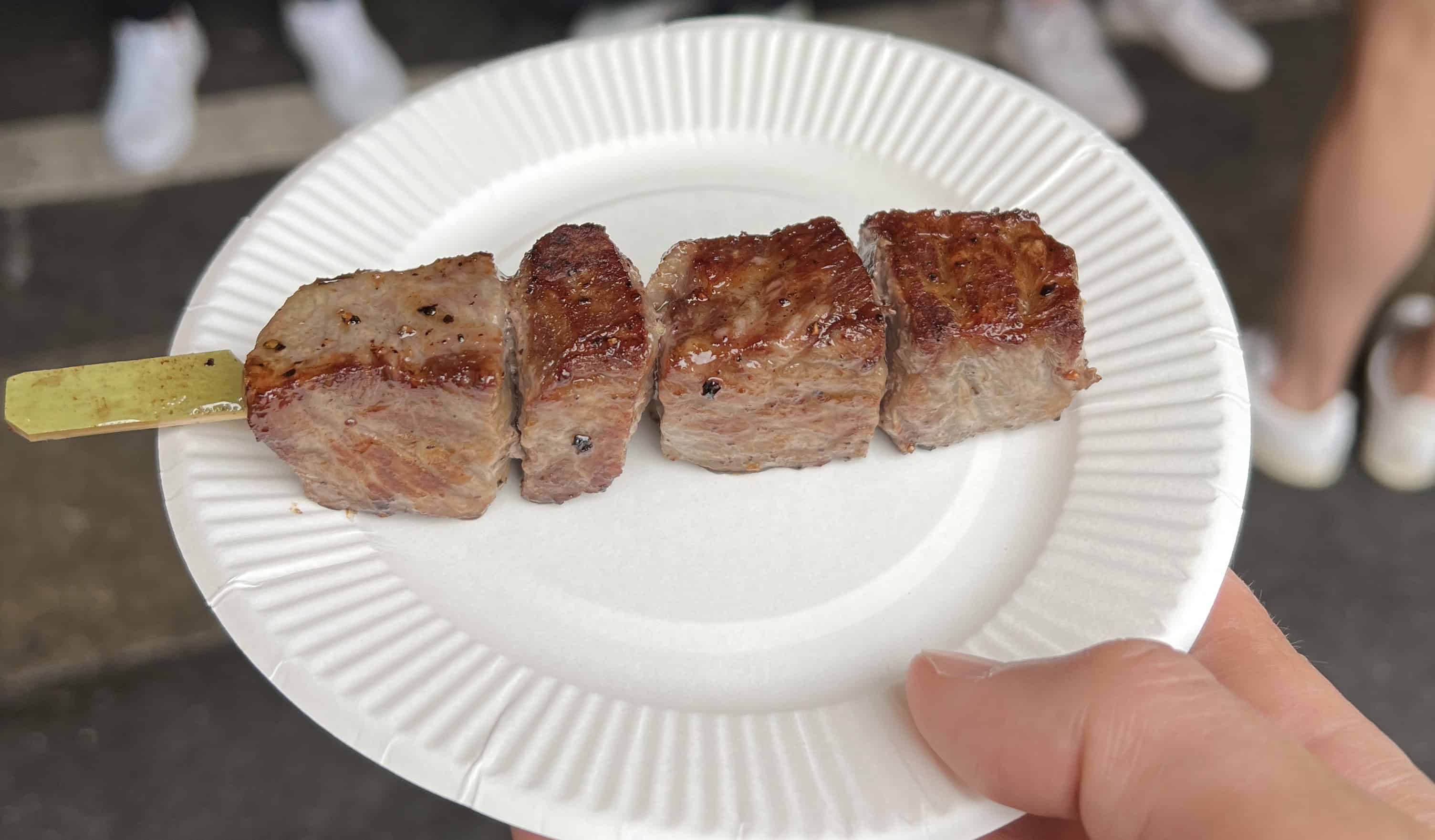
Street food offers affordable and delicious local cuisine. Explore street stalls for authentic meals that won’t break the bank.
5. Eat Fast Food (Sometimes)
While not the healthiest option, fast food can be a budget-friendly choice in inexpensive destinations. Consider fast food for a cheap and filling meal when needed.
6. Stick to Local Ingredients
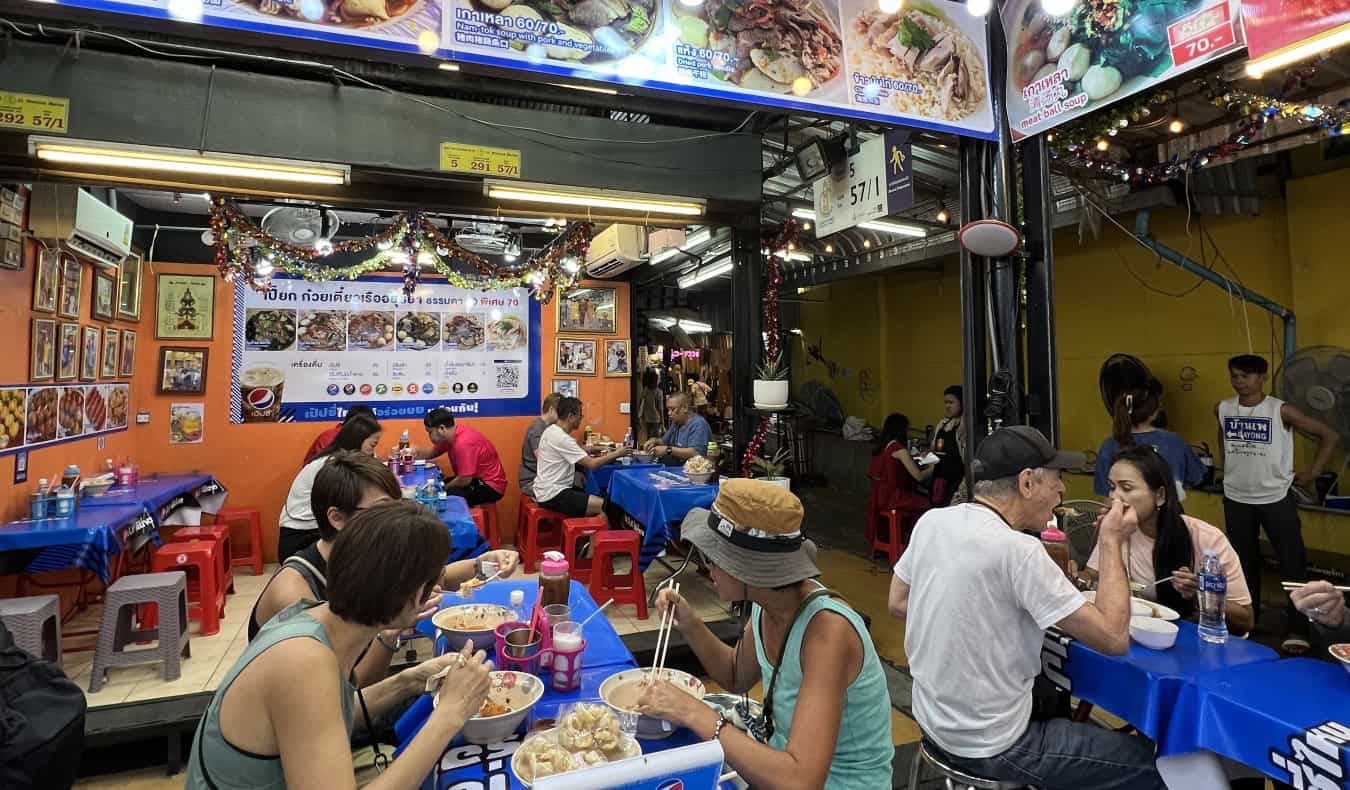
Opt for dishes made with local ingredients to experience authentic flavors of the destination you’re visiting.
At times, I may crave a burger instead of more Thai food, and that’s perfectly fine. However, non-local food is usually more expensive than local cuisine. For instance, in Vietnam, a bowl of pho costs less than a dollar, while a burger can be three times more expensive. It’s advisable to stick to local cuisine and avoid imported food to keep the cost of your meals down.
Finding lunch specials can help you save money, especially in Europe, where restaurants offer discounted items from their dinner menu. Eating a nice meal during lunchtime can save you 30-40% compared to dinner prices. While there is no universal website listing all restaurants with lunch specials, you can ask local tourist offices or hostel/hotel staff for recommendations.
Carrying a refillable water bottle with you, preferably with a filter like a Lifestraw bottle, can help you save money on bottled water and stay hydrated while traveling. Cooking your own meals, especially when staying in one place for a while or using Couchsurfing, can significantly reduce your food expenses. Supermarkets are great places to find affordable ingredients and learn about local cuisine.
Having a picnic, especially in good weather, can be a cost-effective way to enjoy a meal and observe local life. Tourism cards not only offer discounts on transportation and attractions but also provide savings at restaurants. Taking advantage of free breakfast at hostels or hotels can eliminate the cost of one meal and help you save on food expenses.
Eating where students do, near universities, can lead you to budget-friendly establishments. Google Maps and hotel/hostel staff can help you find student-friendly restaurants. Supermarkets often offer lunch specials and discounted items nearing expiration, making them budget-friendly options for meals. In countries where food, especially imported meats, is expensive, many locals opt for discounted “expired” food. Shopping for groceries in the evening can lead to finding safe and edible items at a lower price.
Enjoying a meal at a nice restaurant with a glass of wine is a treat, but the cost can add up quickly. By following the tips above, it’s possible to balance quality meals with budget-friendly choices. Finding this balance is essential for both your wallet and your taste buds.
Traveling the world on a budget is a dream for many. My book, “How to Travel the World on $75 a Day,” offers valuable insights and tips to help you save money and have a deeper travel experience. It’s a comprehensive guide that has been praised by the BBC as a must-have for budget travelers.
When planning your trip, consider booking your flight through Skyscanner for the best deals. Hostelworld is a great option for booking affordable accommodation, while Booking.com consistently offers competitive rates for guesthouses and hotels. Don’t forget to purchase travel insurance to protect yourself against unexpected events.
If you’re looking to travel for free, consider using travel credit cards to earn points for flights and accommodation. Discover Cars is a budget-friendly option for international car rentals, and Get Your Guide offers a variety of activities and tours for your trip. Visit my resource page for a list of trusted companies to use while traveling.
In conclusion, finding the right balance between enjoying great food and saving money is key to a fulfilling travel experience. By following these tips and utilizing the resources mentioned, you can make the most of your travels without breaking the bank. Remember, with careful planning and smart choices, you can explore the world on a budget while still indulging in memorable dining experiences. The following content will be rewritten: